Introduction
Before leading large design teams, I learned the foundations of leadership through community.
UXtomorrow began as a grassroots initiative I co-founded in Dublin with designer Marie Hedigan. What started as a small series of meetups quickly grew into a thriving platform for designers to connect, share knowledge, and explore the evolving future of UX.
Our vision was to create a space where designers, engineers and product folks could learn from one another, exchange ideas, and strengthen the local design community. Over time, UXtomorrow became known for its hands-on workshops, speaker events, and learning clubs, all grounded in collaboration, mentorship, and accessibility.
This case study reflects on the creation and impact of UXtomorrow, and how those early experiences shaped my leadership approach: fostering environments where people feel supported, inspired, and empowered to grow.
Founding a Community for Designers
The idea for UXtomorrow was born from a shared belief that the Dublin design community needed more opportunities for meaningful exchange.
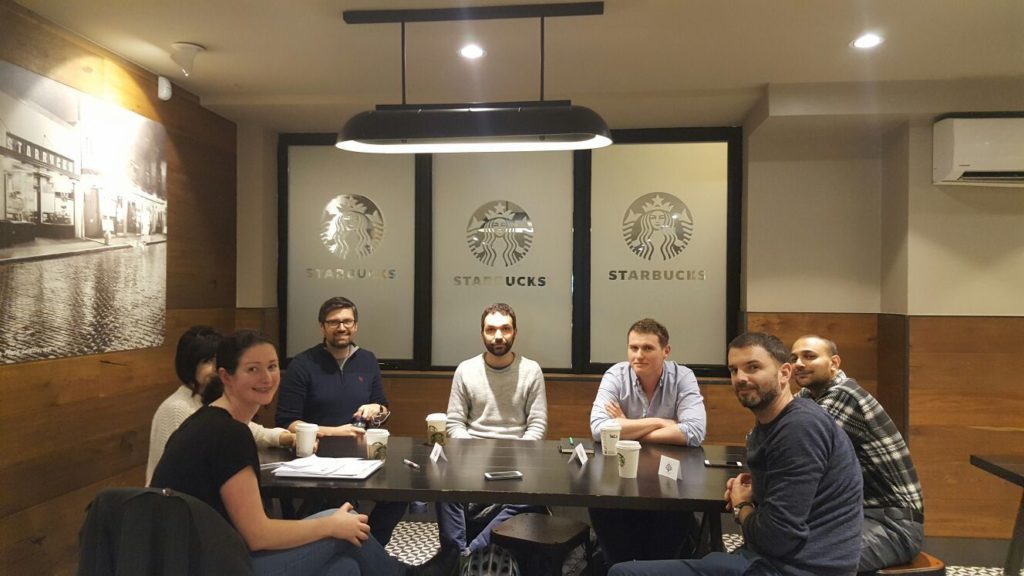
Working under the umbrella of the Interaction Design Foundation, Marie and I launched a series of meetups designed to connect designers across industries. To understand community needs, we conducted a survey to identify topics that resonated most, from UX strategy to practical tools and career growth.
As the community expanded, we evolved our offering to include mini-workshops, speaker panels, and book discussions, providing multiple ways for people to engage. In June 2017, we established UXtomorrow as an independent group, dedicated to exploring emerging trends and the future of user experience.
Alongside programming, I led the branding and social media for UXtomorrow, creating a distinctive, approachable visual language that reflected our mission: connecting and inspiring designers and UX enthusiasts.
Designing Learning Experiences
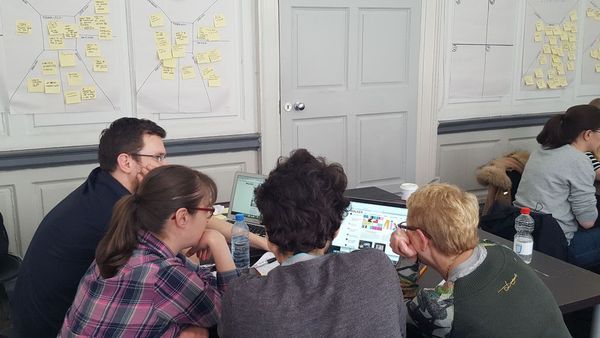
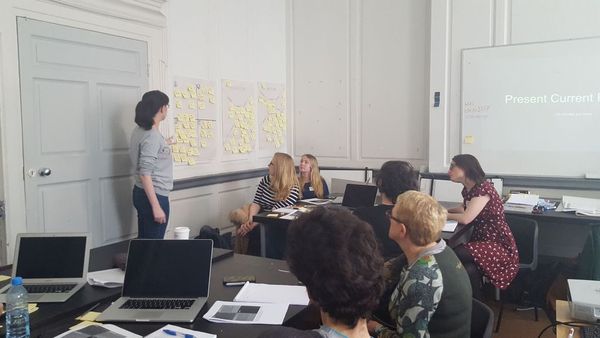
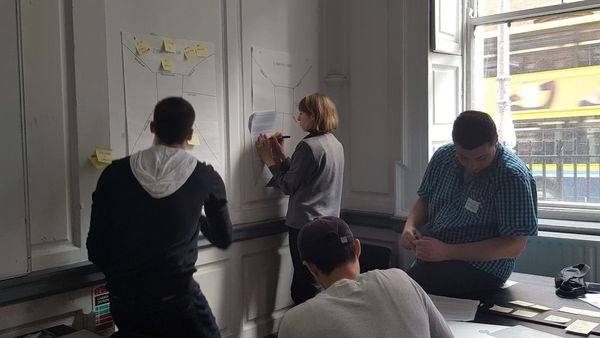
To make UX more approachable for new designers and cross-disciplinary professionals, we hosted our first “Introduction to UX” workshop in April 2017.
Around 20 participants joined for a hands-on session exploring discovery methods, empathy mapping, ideation, and prioritisation techniques. Teams worked collaboratively through real-world challenges, learning to apply UX tools and frameworks to practical problems.
The energy in the room was contagious. Participants left with not just new skills, but confidence in their ability to contribute to the UX field. It reinforced for me that creating space for learning not just teaching is one of the most powerful acts of leadership.
Creating Platforms for Knowledge Sharing
Following the success of our workshops, we turned our focus to speaker events, inviting experienced designers and leaders to share their insights with the community.
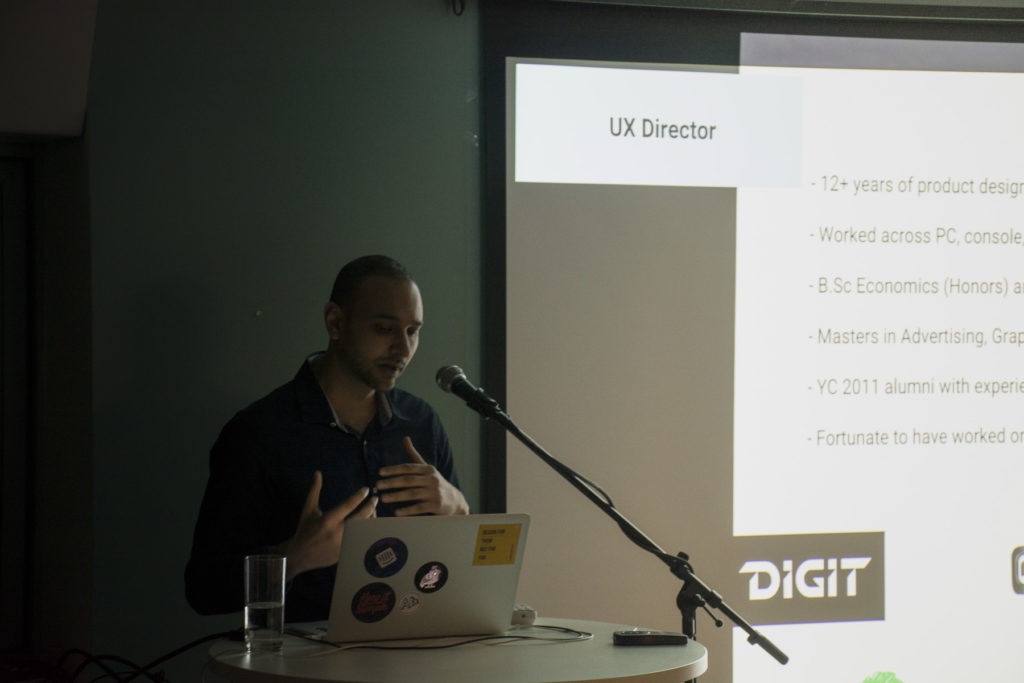
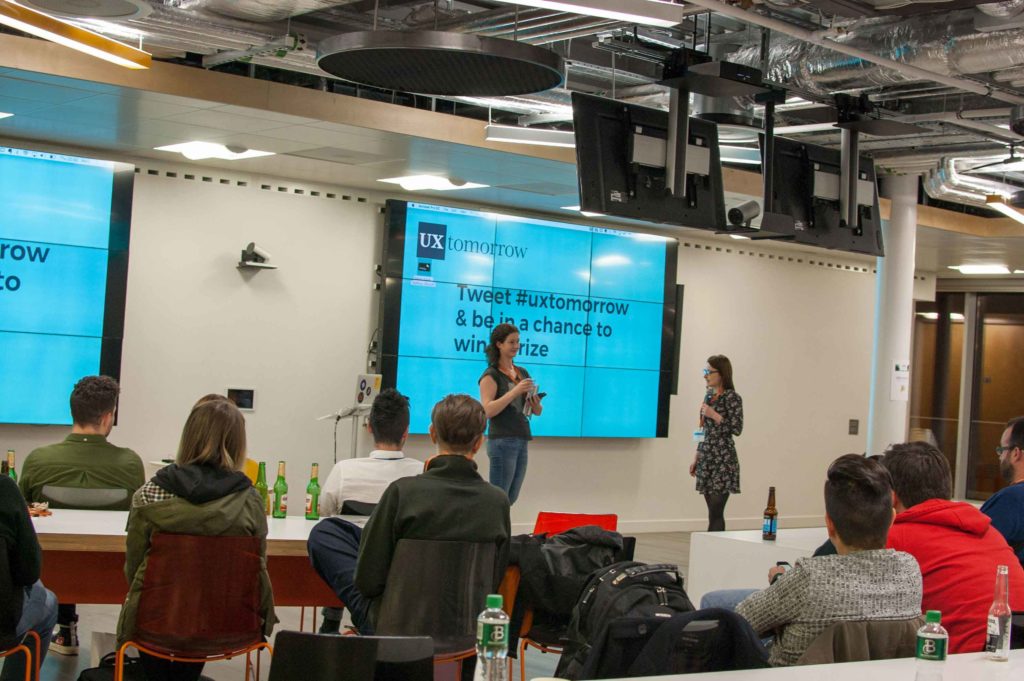
Our first event was hosted at the Bank of Ireland, featuring talks by Kevin Devine and Niamh McCabe on UX process and professional growth under the title, UX insights. The response was overwhelmingly positive, encouraging us to expand our reach.
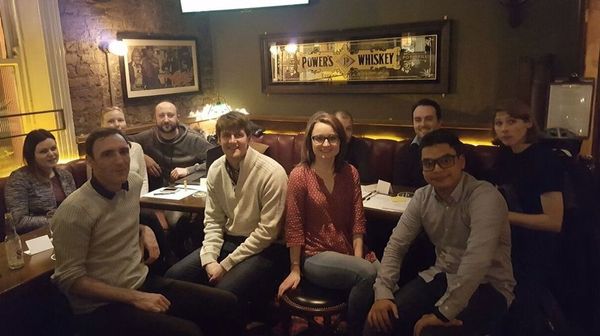
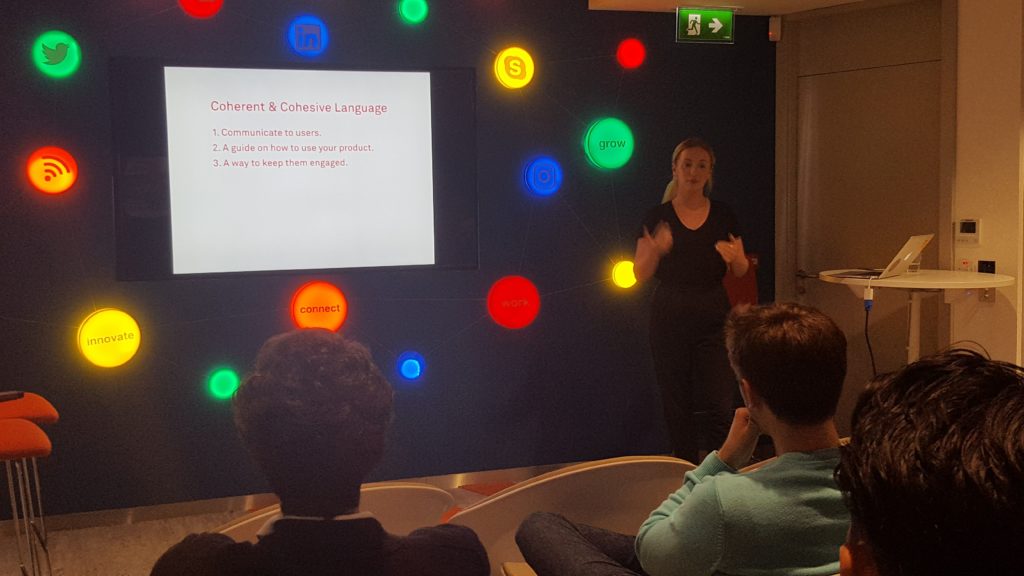
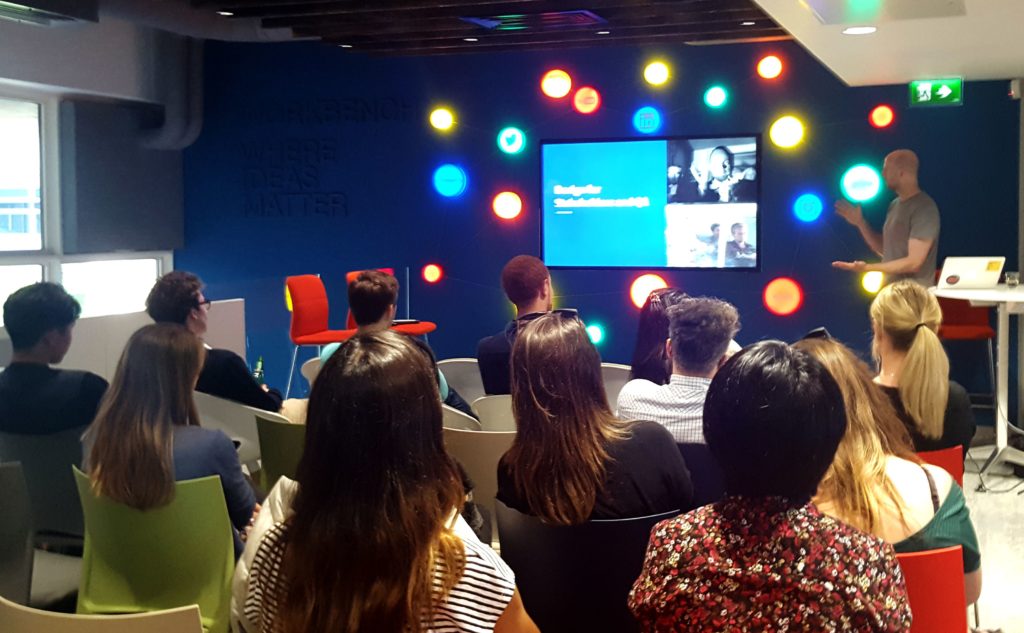
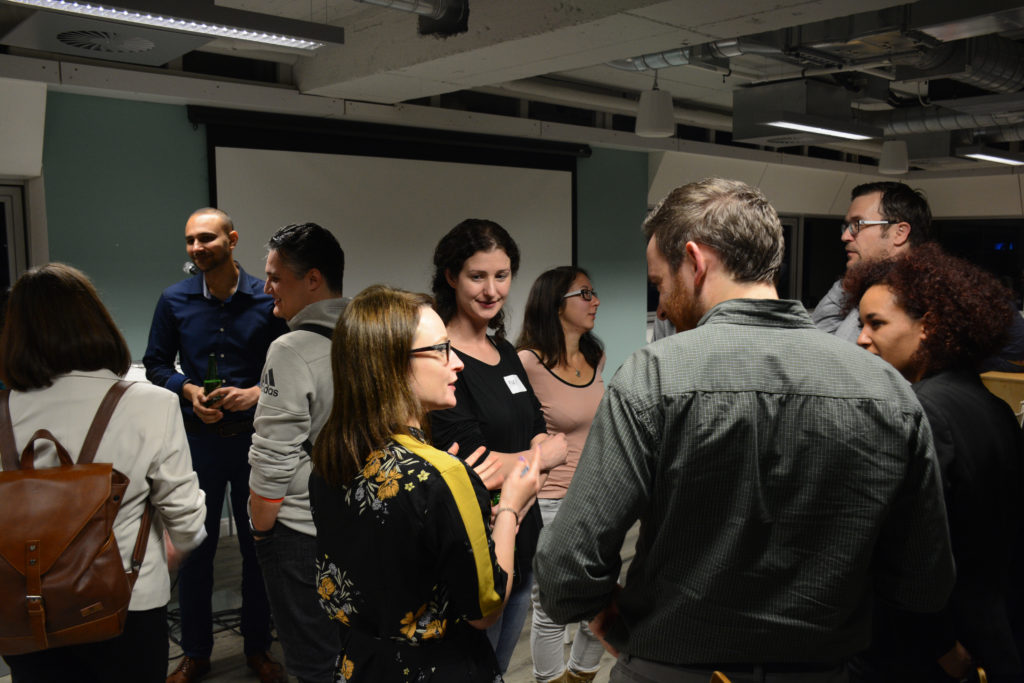
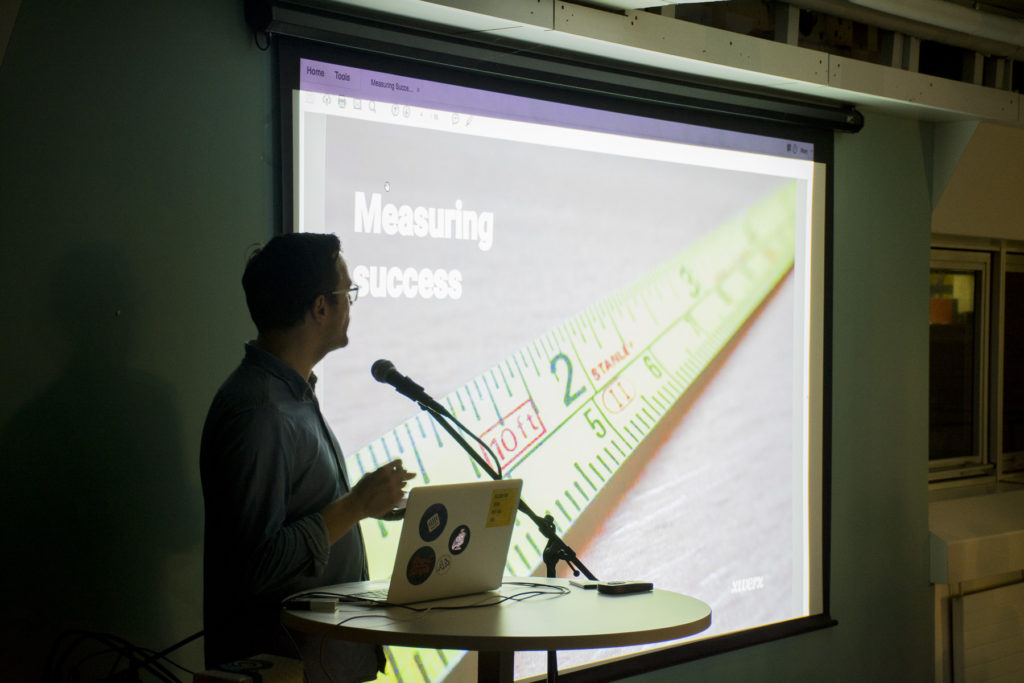
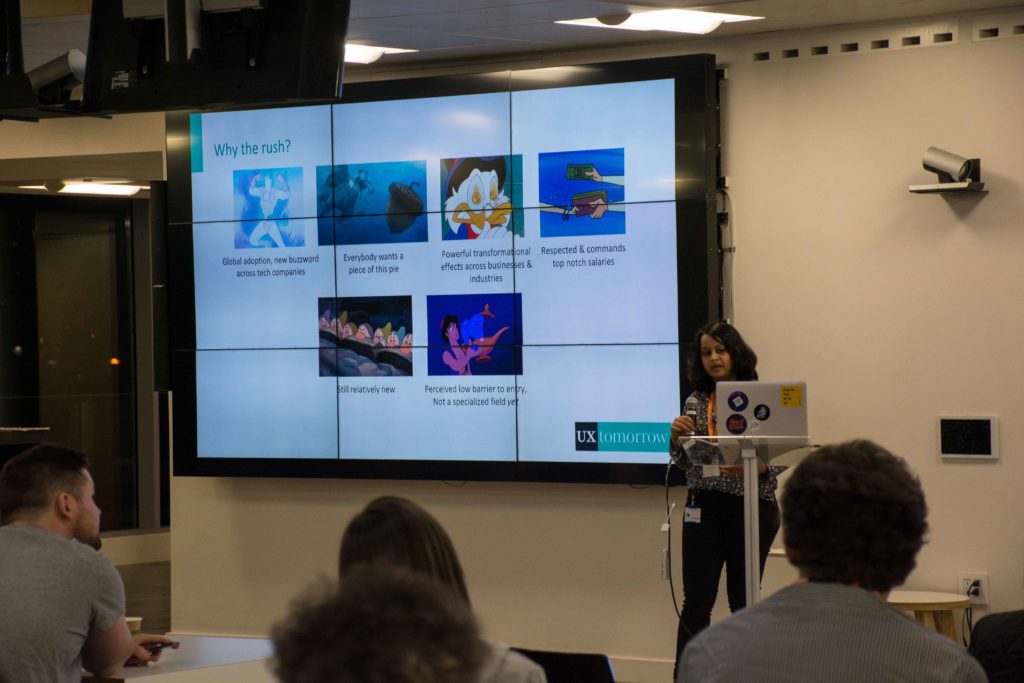
Subsequent events were held at Storyful and Workday, where speakers like Om Tandon, Flavien Plouzennec, Pavitra Tandon and Robert Coyle shared experiences on UX process & measuring success, Building your UX career and Scaling design in fast-paced environments.
These events consistently drew strong attendance and media interest, including coverage from Tech News . More importantly, they helped demystify design leadership and made learning accessible to all levels of experience.
Fostering Continuous Growth
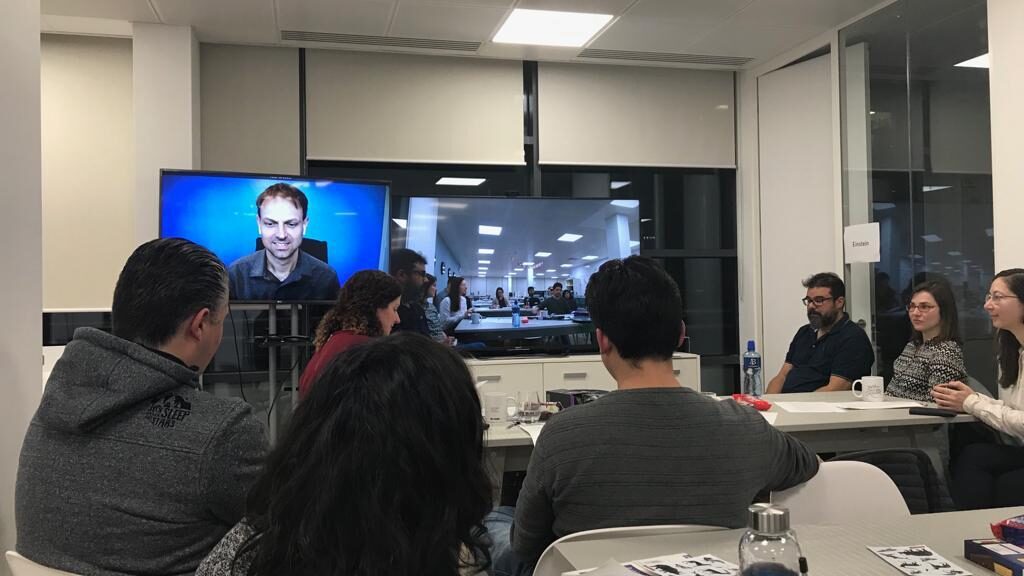
Beyond formal events, we wanted to create ongoing opportunities for designers to learn together. This led to the introduction of learning clubs, intimate sessions dedicated to book discussions and design debates.
One of our most memorable sessions featured author Tom Greever, who joined us to discuss Articulating Design Decisions. These smaller gatherings provided space for reflection, dialogue, and peer-to-peer learning.
Leadership Lessons and Lasting Impact
Although UXtomorrow eventually wound down, its legacy remains in the connections and careers it helped shape. For many members, it served as a first introduction to the UX community, a place to find mentorship, confidence, and inspiration.
For me, UXtomorrow was where I first learned to lead through influence rather than authority. Organising and facilitating events taught me lessons in communication, delegation, and engagement skills that continue to guide my approach as a design leader today.
Key Learnings
Leadership begins with listening. The best communities and teams start with understanding people’s needs.
Culture is designed. Every detail, from tone of voice to event format, shapes how people feel and participate.
Empowerment scales. By giving others a platform to speak, you amplify learning across the group.
Connection sustains growth. Design leadership isn’t just about outcomes it’s about relationships that inspire ongoing curiosity.
Conclusion
UXtomorrow was more than a community it was an experiment in collective leadership. What began as an after-hours project became a platform for empowerment, learning, and design advocacy.
Those early experiences laid the groundwork for how I lead today. Whether guiding teams, shaping process, or building culture, I still draw from the same principles that drove UXtomorrow: create space, invite participation, and believe in the potential of others.
For me, that’s the essence of design leadership connecting people to purpose and helping them grow through shared experience.