Introduction
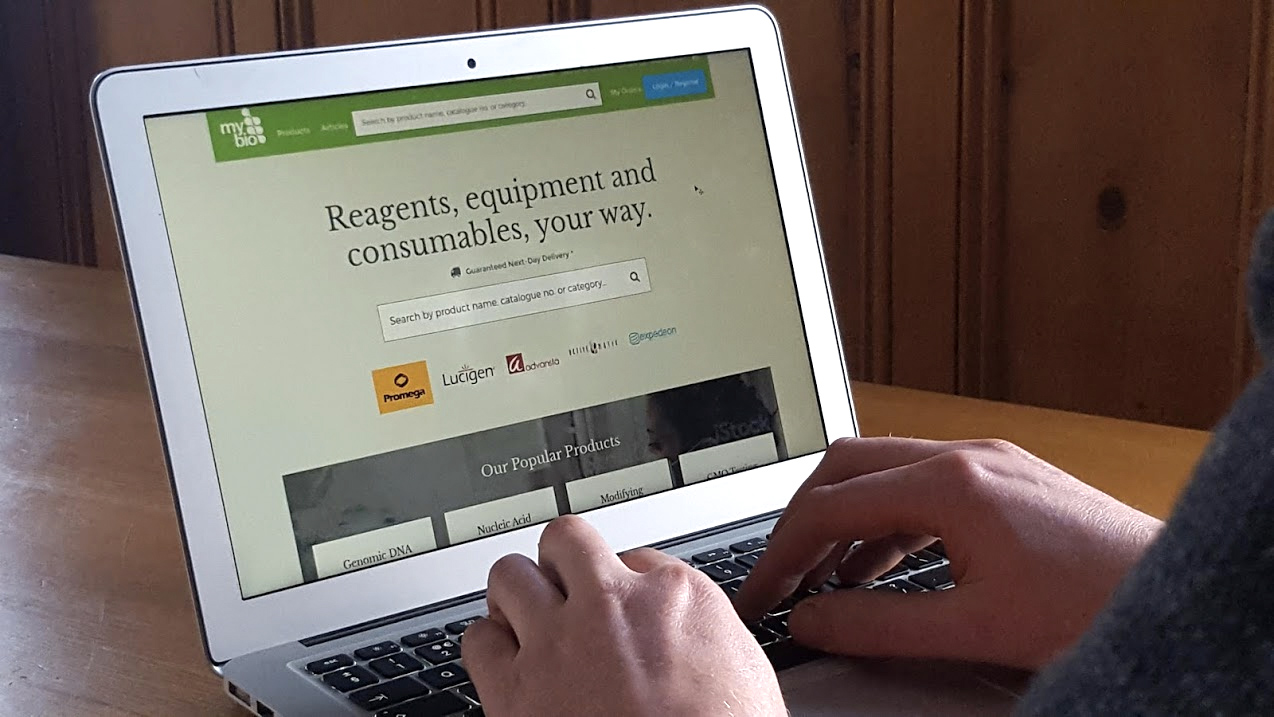
Early in my career, I worked on the redesign of a BioScience eCommerce platform for a global pharmaceutical client. It was my first exposure to a complex, data-driven industry, one where customer journeys were deeply tied to research workflows, procurement processes, and regulatory expectations.
My goal was not just to design a cleaner interface, but to help the client understand how UX research could shape business outcomes. This project became an early lesson in translating insight into clarity, for both users and organisations.
Discovery and Context
To build domain understanding quickly, I partnered with a lead designer to conduct stakeholder interviews and academic user research. We mapped the scientific procurement process, from lab requisitions to bulk purchasing approvals, uncovering friction points that delayed conversions.
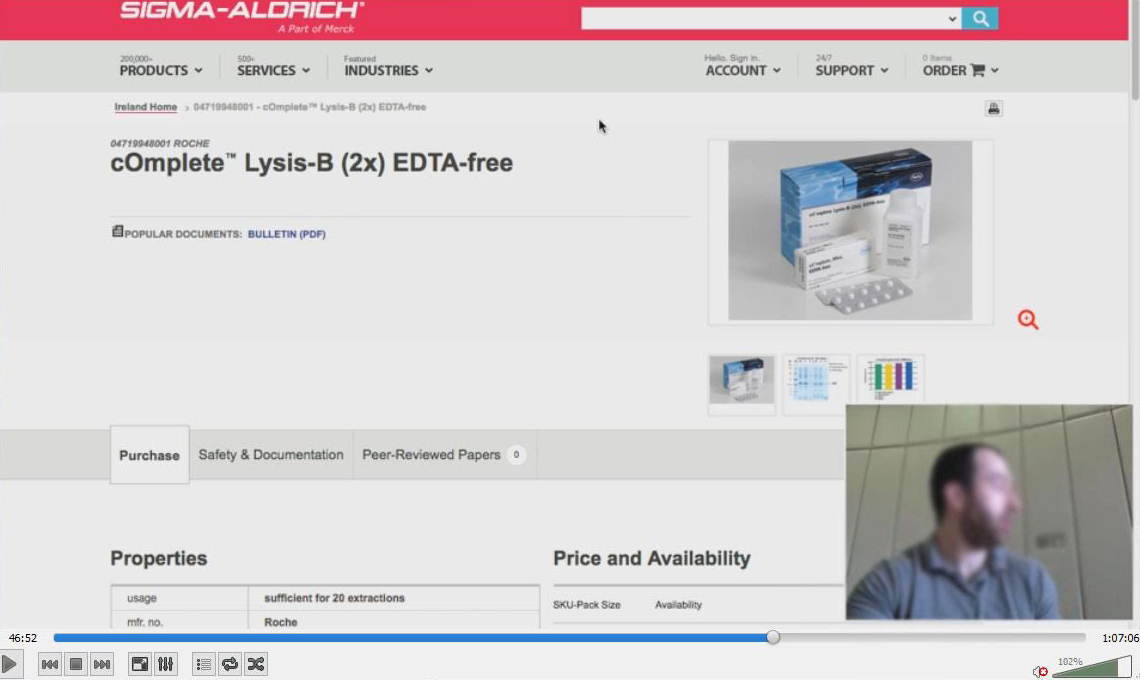
Through workshops and surveys across Dublin universities, we identified key patterns:
- Transparency and brand trust were major factors in purchasing decisions.
- Researchers valued efficiency over aesthetics.
- Competitors who surfaced clear pricing and simplified checkout earned higher loyalty.
These insights shaped the foundation of our design strategy: clarity, credibility, and efficiency.
From Insight to Experience
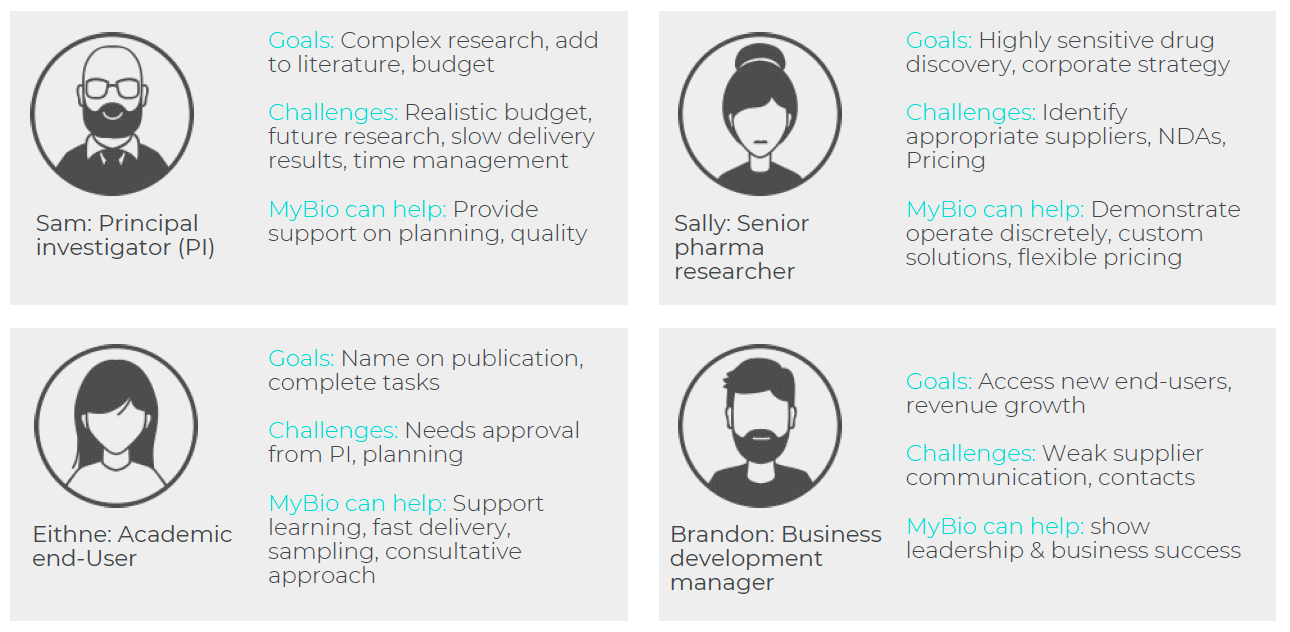
To build domain understanding quickly, I partnered with a lead designer to coI synthesised research into journey maps and personas that helped both the client and internal team visualise the scientist’s workflow. These narratives reframed the website as part of a larger ecosystem, one where time, accuracy, and reliability mattered more than typical eCommerce aesthetics.
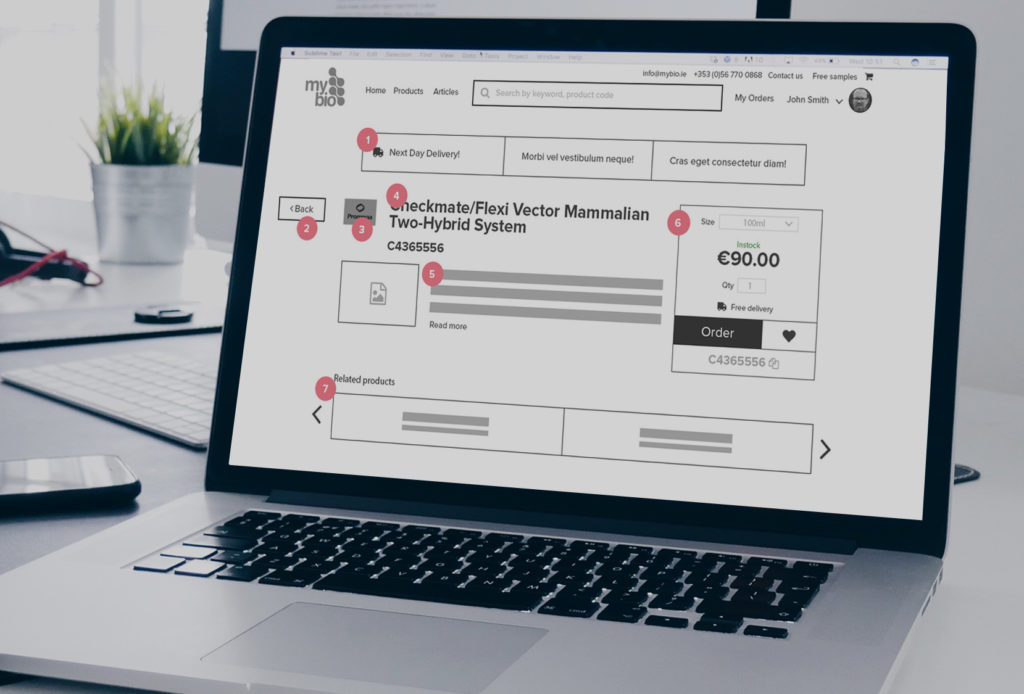
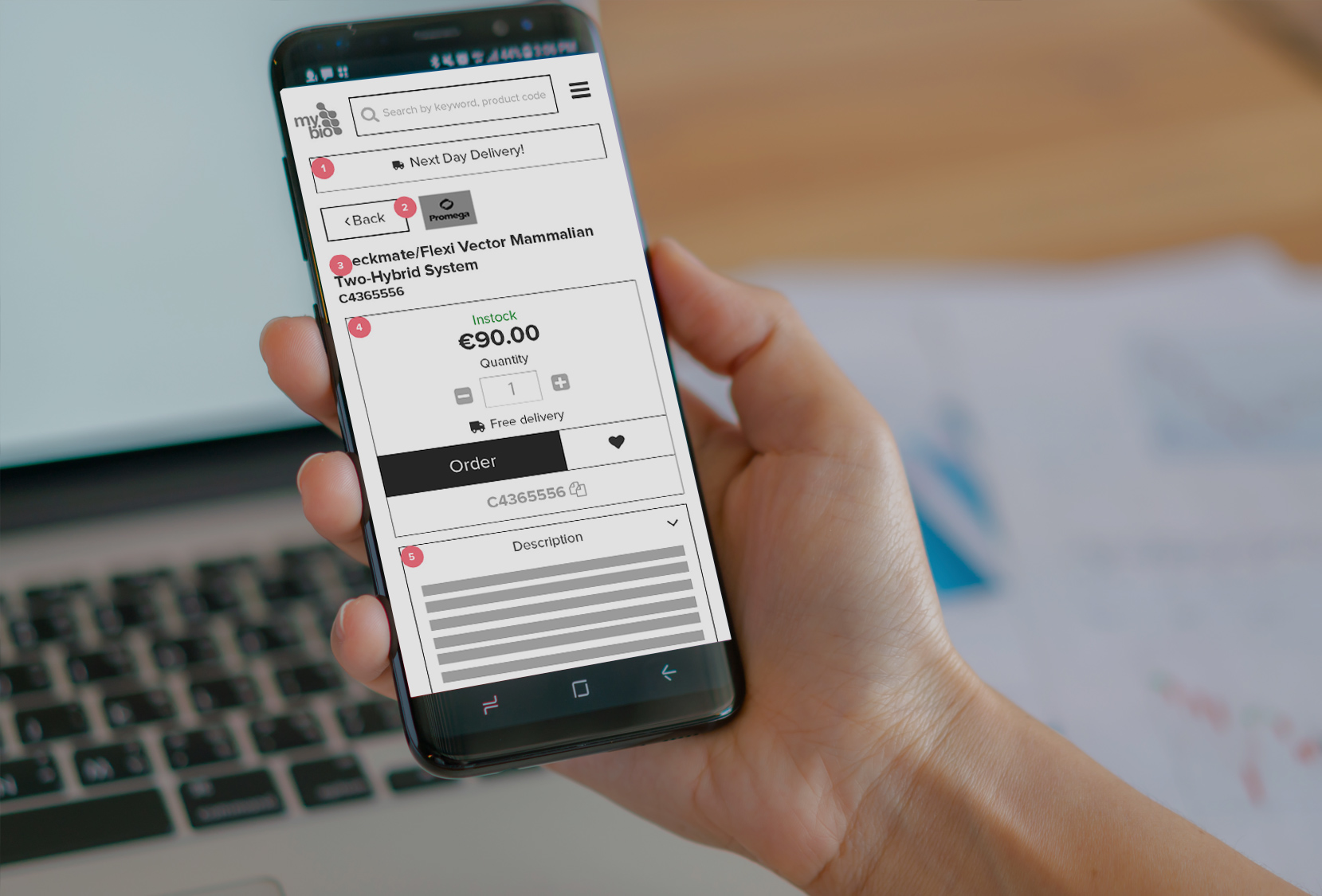
Focusing on key impact areas, product listing, checkout, and detail pages, I led design exploration to streamline decisions and improve task flow. Wireframes prioritised hierarchy, data visibility, and responsiveness for lab technicians working across multiple devices.
When presenting the solutions, I focused on storytelling: showing why each design decision addressed a business or user problem, and demonstrating how user experience could reduce friction in high-value purchases.
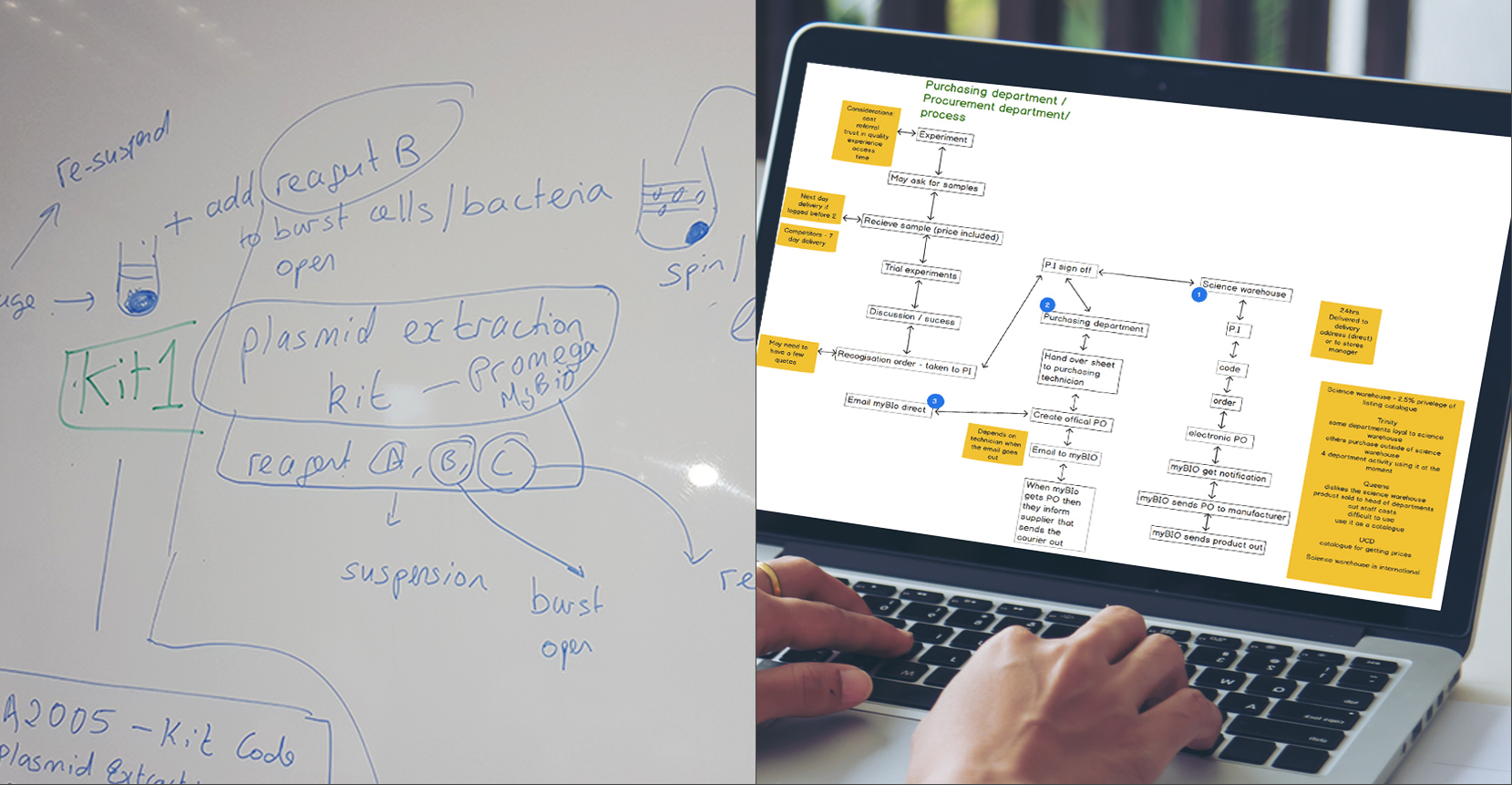
Academic experiment process & analysis of procurement process
Collaboration and Delivery
Working with engineering and copywriting partners, I helped translate the experience vision into implementable specifications. We developed a modular grid system and content guidelines to ensure scalability and consistency post-launch.
Results and Learnings
- Improved usability: Streamlined flows reduced time-to-purchase for key customer segments.
- Stakeholder alignment: A shared understanding of research insights replaced opinion-driven debate.
- Cultural change: UX became a recurring part of roadmap discussions — a first for this client.
This project strengthened my ability to lead through clarity, to turn complexity into confidence and research into momentum.
It also taught me a lesson I carry into every leadership role today: Design earns influence not through deliverables, but by helping others see clearly.