Introduction
When I joined Storyful, a global leader in digital news verification, the product and design team was at a crossroads. Morale was low, processes were inconsistent, and the product itself, a B2B platform for journalists and editors, was burdened by legacy systems and unclear direction.
As Design Lead, my mission was to re-establish clarity and confidence: to connect fragmented teams, embed research-driven thinking, and create a shared vision that inspired both product momentum and team pride.
This case study captures how I introduced structure, strategy, and purpose to transform both the product experience and the design culture behind it.
Challenges Faced
When I joined, several underlying challenges were preventing progress:
- Low team morale: The team was demotivated by unclear goals and technical debt that slowed progress.
- Lack of product vision: There was no cohesive roadmap or long-term strategy to guide decisions.
- Product ownership gap: Without a permanent Product Owner, priorities and communication were inconsistent.
- Legacy product issues: Usability challenges and outdated workflows frustrated both users and developers.
- Limited research maturity: Design decisions were based on assumptions, with minimal access to customer insight.
These conditions created uncertainty and fatigue. My goal was to turn that around, to restore direction, trust, and a sense of purpose.
Establishing Research and Design Foundations
The first step was to build a foundation for evidence-based decision-making. I introduced practical design and research methods that gave the team visibility into user behaviour and confidence in their choices.
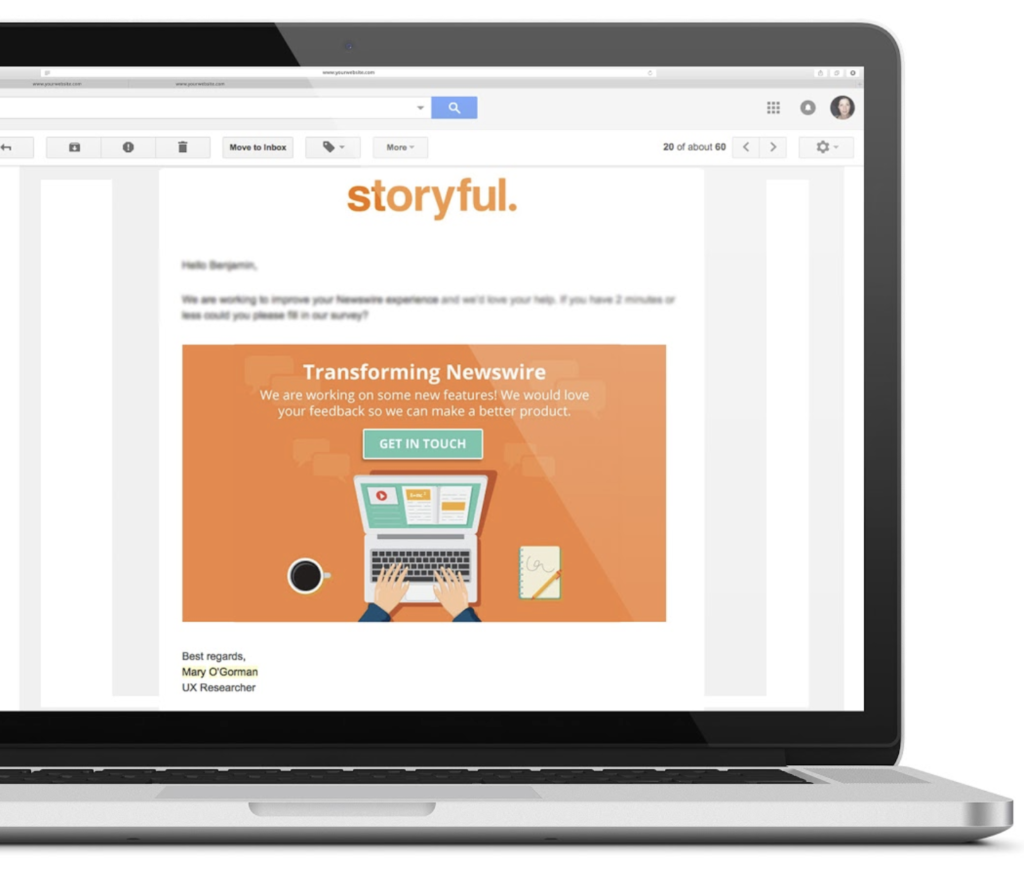
- Customer insight: I combined Fullstory and Hotjar analytics with customer interviews and surveys to reveal usage patterns and pain points.
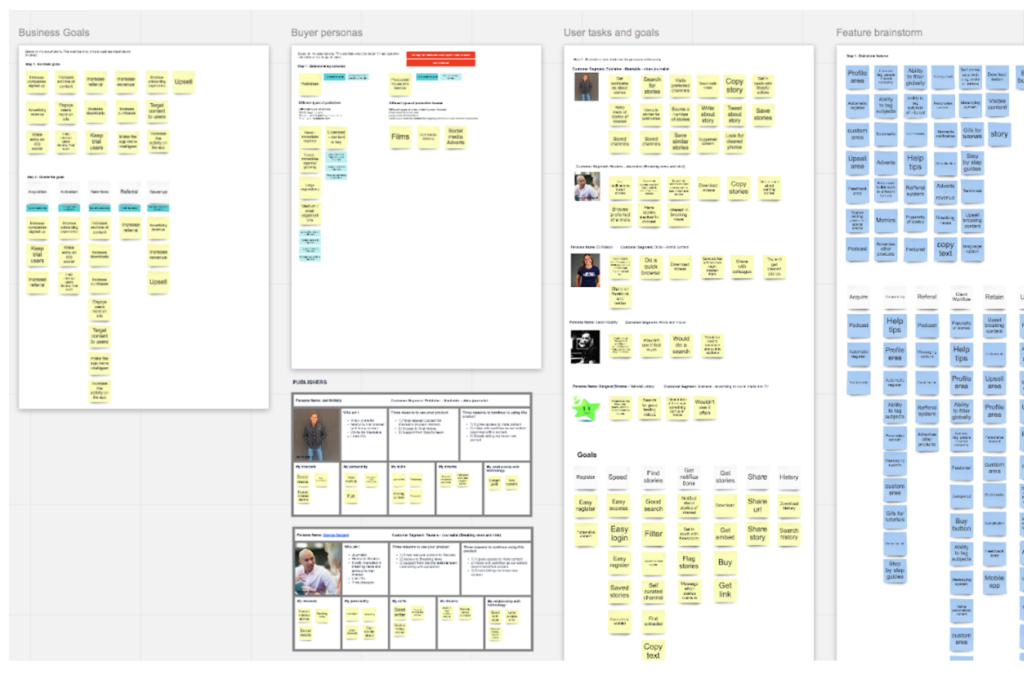
- Team alignment: Using Mural, I mapped user flows, personas, and assumptions collaboratively to build shared understanding.
- Observation and empathy: I created a dedicated “observation room” for live user testing with clients, allowing engineers and editors to see how their tools performed in real time.
- Benchmarking: I led comparative analysis of similar media and analytics platforms to identify usability standards and emerging trends.
These activities not only clarified direction but also reintroduced a sense of ownership and pride in the craft of design.
Defining a Strategic Product Vision
To reorient the organisation, I facilitated a series of workshops and stakeholder sessions that defined a long-term product strategy:
- Executive alignment: Through facilitated planning sessions, we co-created a 90-day tactical roadmap and a 5-year product vision.
- Value-based prioritisation: We introduced an effort-impact matrix to guide decisions based on customer value and technical feasibility.
- Cross-department collaboration: By involving editorial, product, and engineering leadership in these sessions, we built alignment between newsroom priorities and product capabilities.
- Workflow clarity: Mapping end-to-end user journeys helped us identify moments of friction and design opportunities across roles and use cases.
This strategic reframing turned scattered initiatives into a cohesive roadmap, giving the team a clear sense of direction and purpose.
Opportunities and Improvements Delivered
As collaboration deepened, key opportunities for experience improvement surfaced. We focused on changes that balanced user value with technical feasibility:
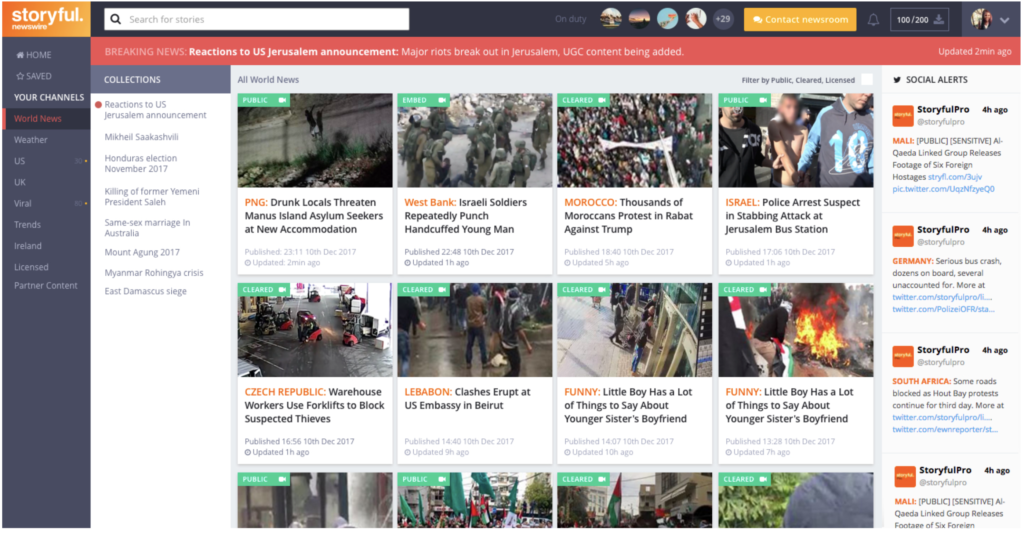
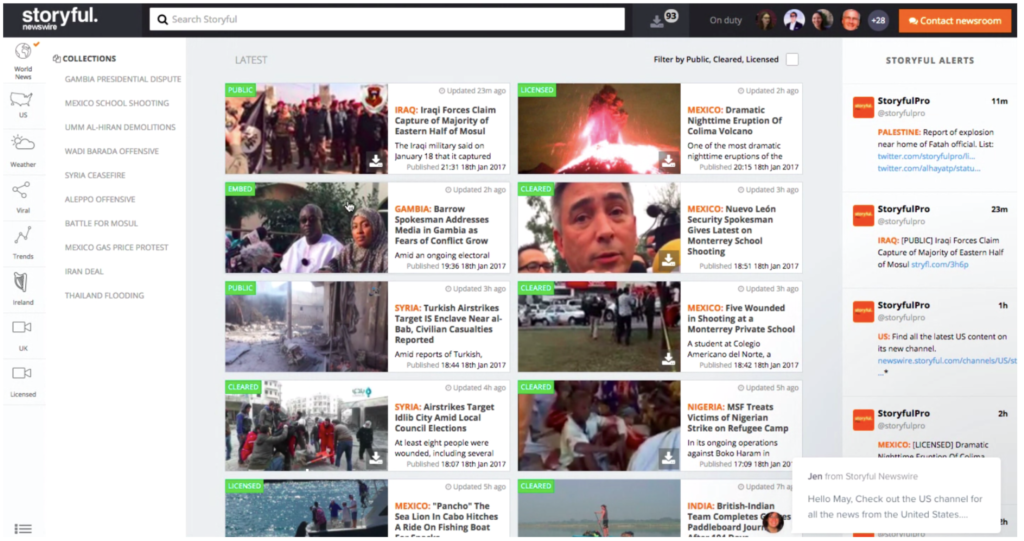
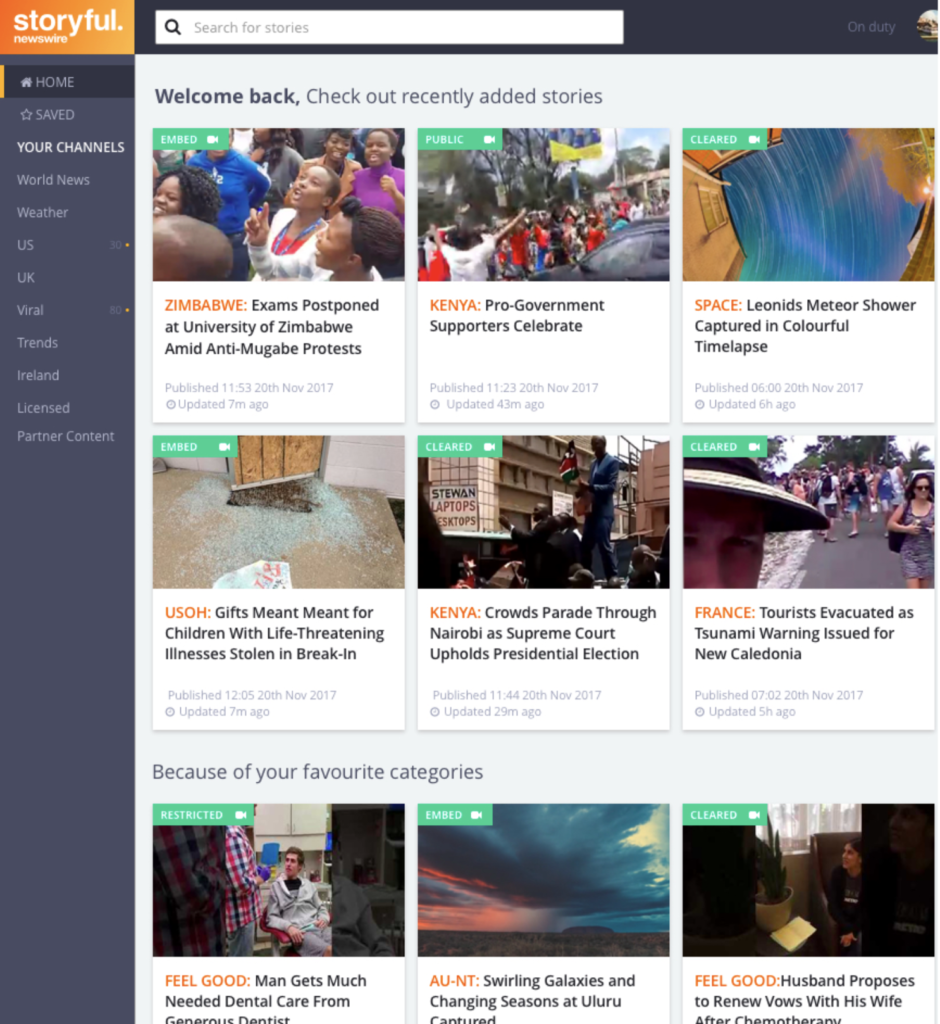
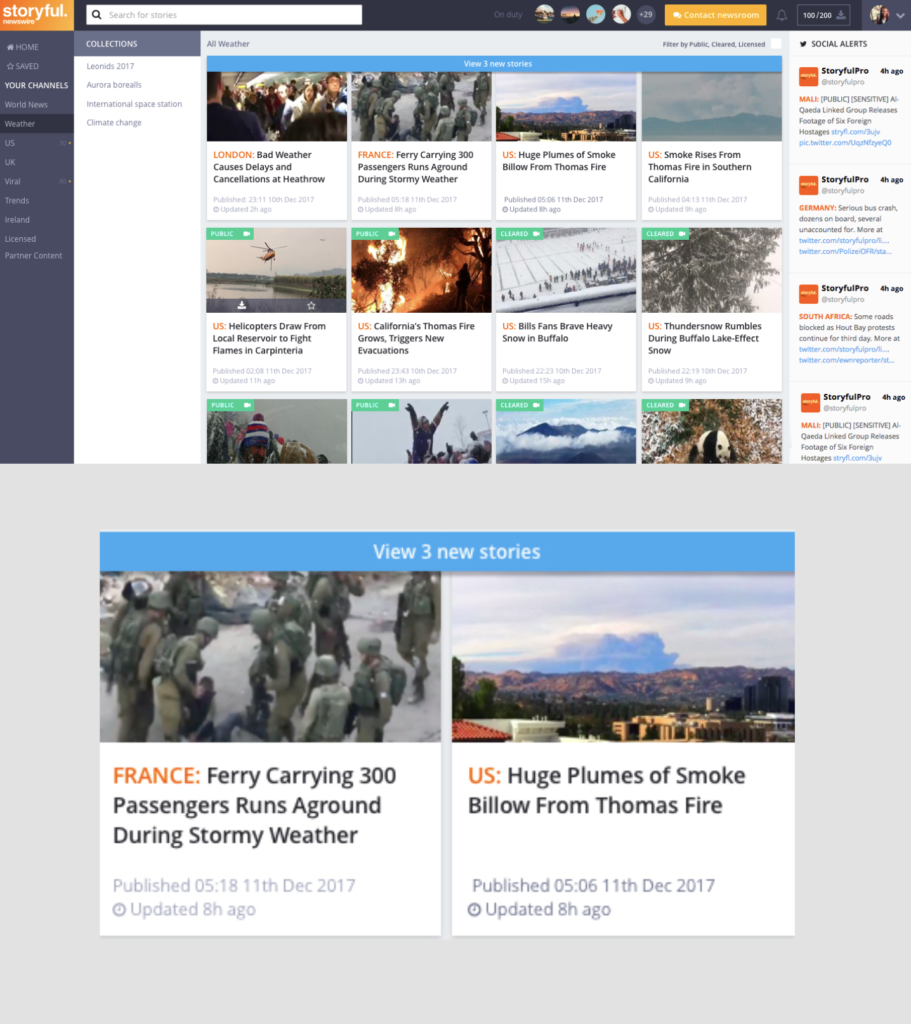
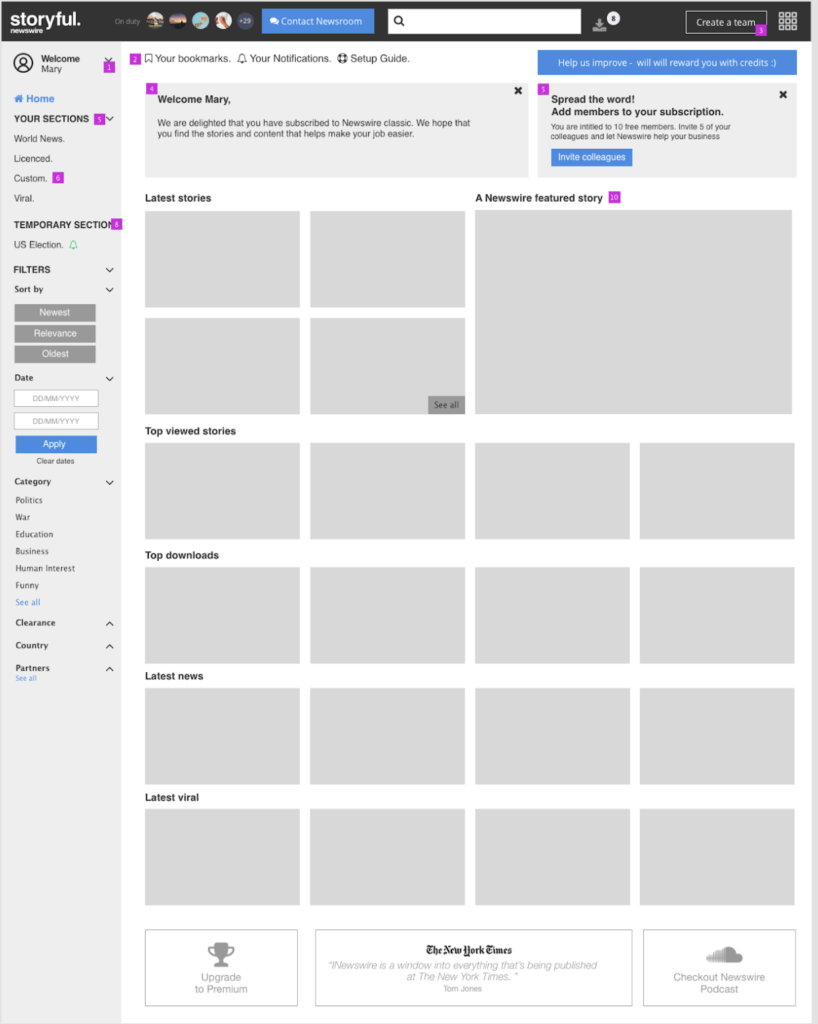
- New information architecture and layout: Improved visual hierarchy and task flow consistency.
- Grid framework introduction: Enhanced release quality and development velocity.
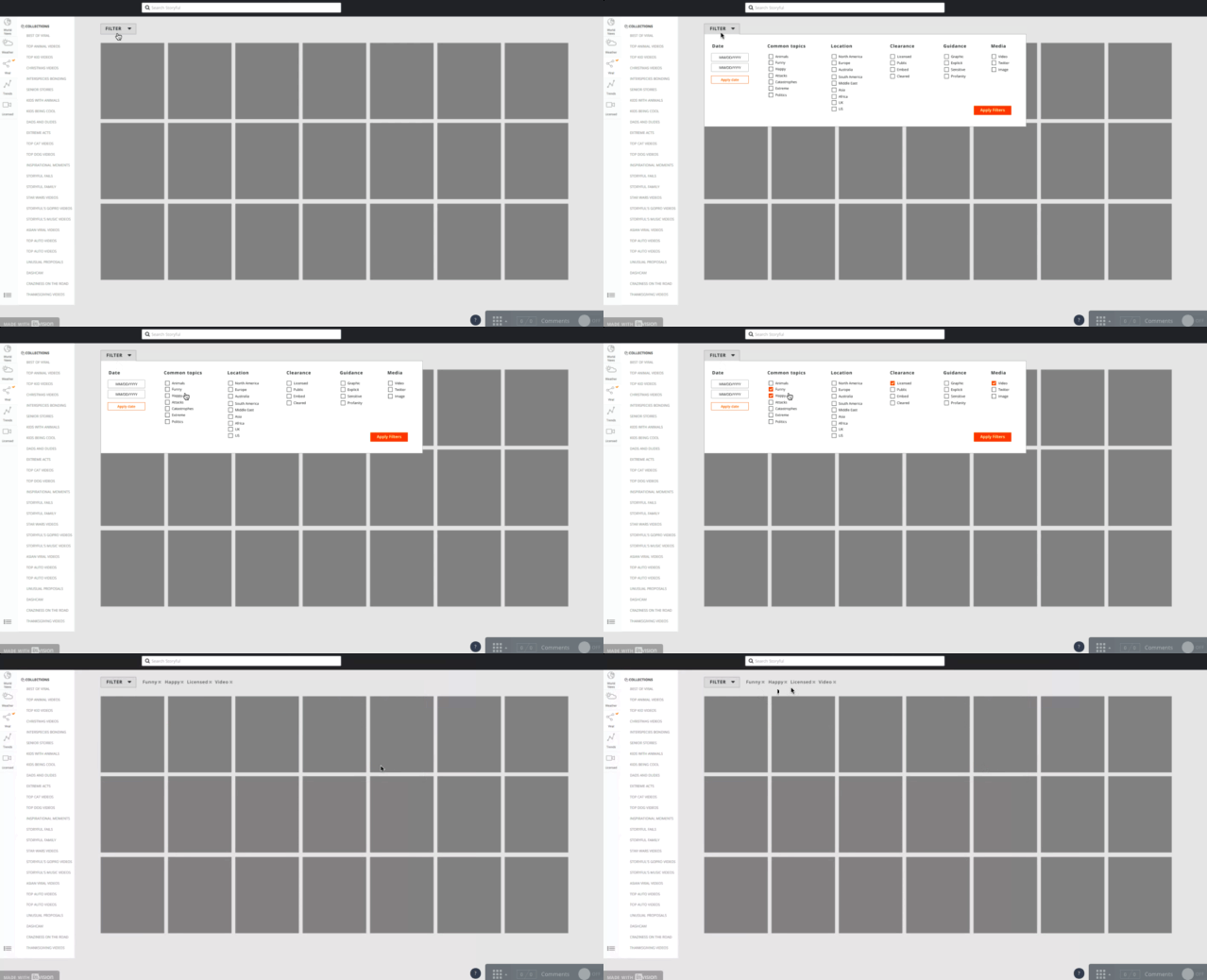
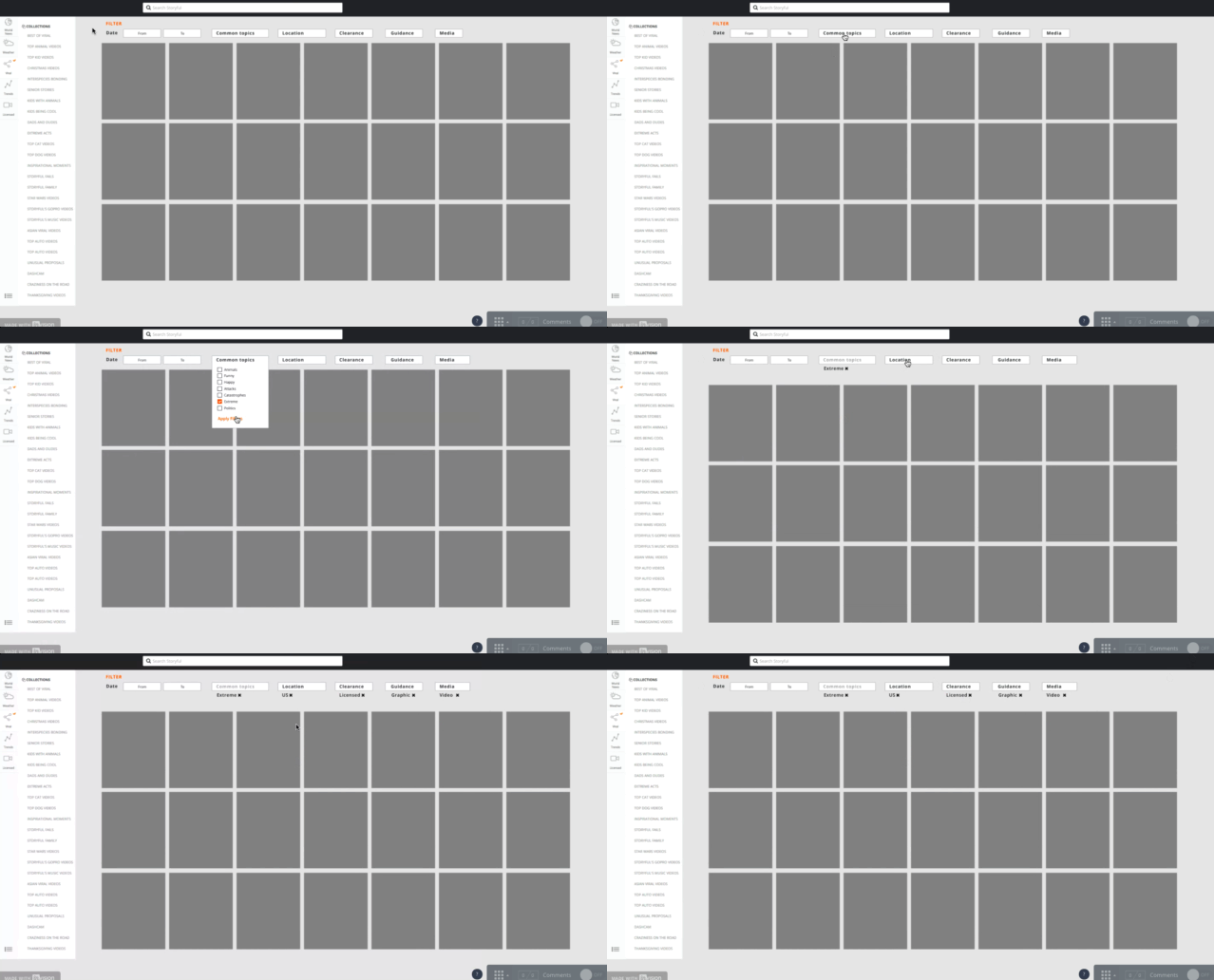
- Search and filtering improvements: Enabled faster discovery of verified content.
- Personalisation and recommendations: Supported user engagement through relevance and context.
- Notification and alert redesign: Improved responsiveness to breaking news events.
- Mobile optimisation: Extended usability for journalists on the move.
These enhancements modernised the platform experience and built credibility with our newsroom customers, who began to see tangible improvements each release.rpose.
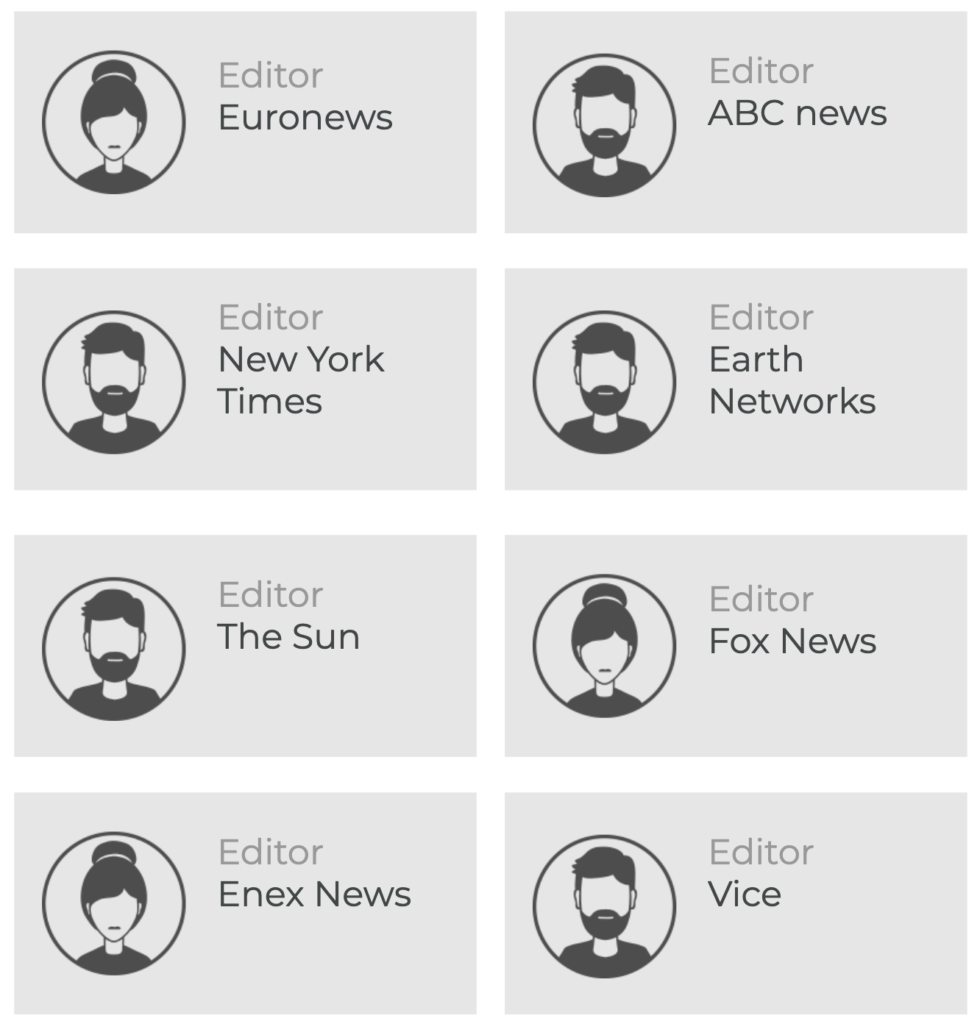
“I love the new layout — I find it easier to use.”
— Editor, The New York Times
Team and Cultural Transformation
Beyond the product, the most meaningful change was in the people behind it. By engaging the team in research, co-design, and roadmap creation, we replaced fatigue with focus and curiosity.
- Motivation increased: With clearer milestones and shared success metrics, the team began to take pride in progress and delivery speed.
- Cross-functional trust strengthened: Editorial teams re-engaged with product and design, offering feedback and collaboration instead of escalation.
- Design maturity grew: Research and iteration became regular parts of the process rather than occasional exercises.
The team evolved from reactive problem-solving to proactive experience design, and that cultural shift became the foundation for future success.
Results and Impact
- Improved release velocity: A structured roadmap and agile processes increased delivery per sprint.
- Enhanced user satisfaction: New layout and alert systems led to positive qualitative feedback from newsroom partners.
- Greater customer engagement: Breaking news notifications increased user activity and retention.
- Cross-team alignment: Executive visibility into design work led to more informed prioritisation and faster decision-making.
These outcomes demonstrated that thoughtful design leadership can transform both team dynamics and customer outcomes.
Leadership Reflection
Leading through this transformation shaped how I approach design leadership today. I learned that effective design direction begins with empathy, not only for customers but for teams navigating ambiguity. By establishing structure, evidence, and shared purpose, I helped a group rediscover belief in their product and in each other.
That lesson has stayed with me: clarity, collaboration, and curiosity are the foundations of sustainable design culture, no matter the scale or industry.