Introduction
When I stepped into this space, the team was navigating one of its most challenging transitions, a period marked by shifting priorities, low clarity on direction and a PM and Designer that were overwhelmed by the ask. I helped put structure in place to clarify strategy, drive alignment, and ensure the work delivered meaningful outcomes for customers.
As the design lead, I built collaborative practices to unify the team, and championed research-driven decisions to anchor us in customer needs. What began as a difficult situation became a pivotal opportunity to demonstrate how design leadership can guide through change, through clarity, empathy, and evidence.
This case study outlines the strategies I used to navigate that transformation from restructuring team processes and improving quality assurance to onboarding a new product manager and restoring shared purpose across disciplines.
Challenges Faced
When I joined, several factors were slowing progress and dampening team morale:
- Lack of roadmap clarity: Overlapping assumptions and limited visibility led to confusion and misaligned priorities.
- Limited customer research: Uncertainty about specific product areas made decision-making reactive instead of insight-driven.
- Product manager shift: The product manager resigned and it took several months to rehire the position. The team lacked business direction, leadership presence, and alignment across stakeholders.
- Team friction: Ambiguity and miscommunication were causing frustration and affecting productivity.
These challenges created a sense of stagnation, one that called for immediate action to rebuild trust, establish shared focus, and reintroduce momentum.
Approach and actions taken
1. Breaking Down Complexity
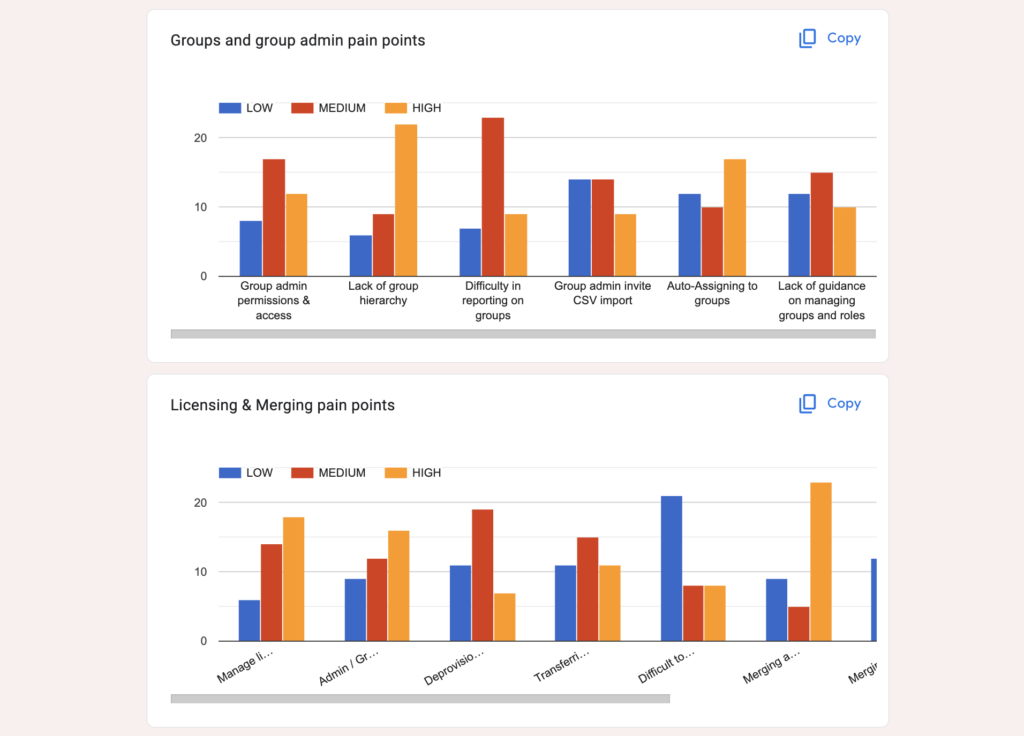
The first step was to regain direction. I initiated generative research to uncover customer perspectives, validate assumptions, and clarify where our efforts could deliver the most value.
I gathered feedback from customer success to help understand their perspective and analysis against customer feedback.
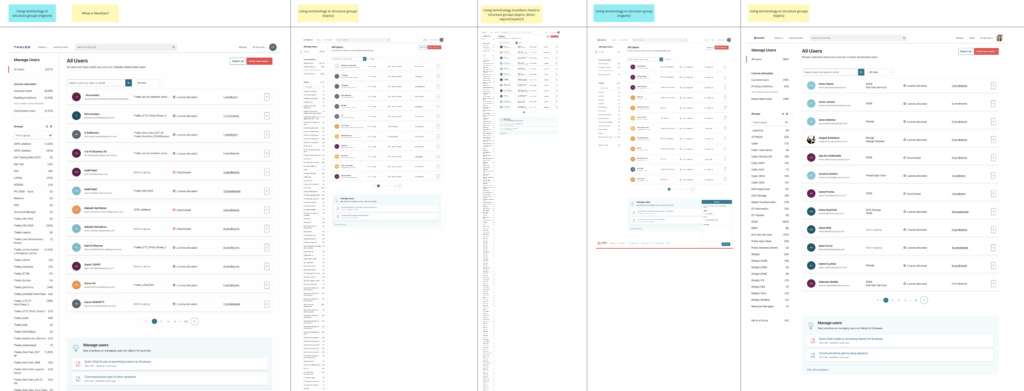
This information helped divide a large ambiguous project into focused workstreams, allowing us to tackle complexity in manageable segments. Each stream had a clear goal, measurable outcome, and defined ownership. This structure increased visibility, built confidence, and created a sense of steady progress across the team.
2. Enhancing Team Processes
With structure in place, I turned to process improvement. I partnered with Engineering director and organised collaborative workshops to align on ways of working, shared principles, and set expectations. Together, we defined our collaboration model, establishing rituals like weekly reviews, retrospectives, and cross-functional check-ins.
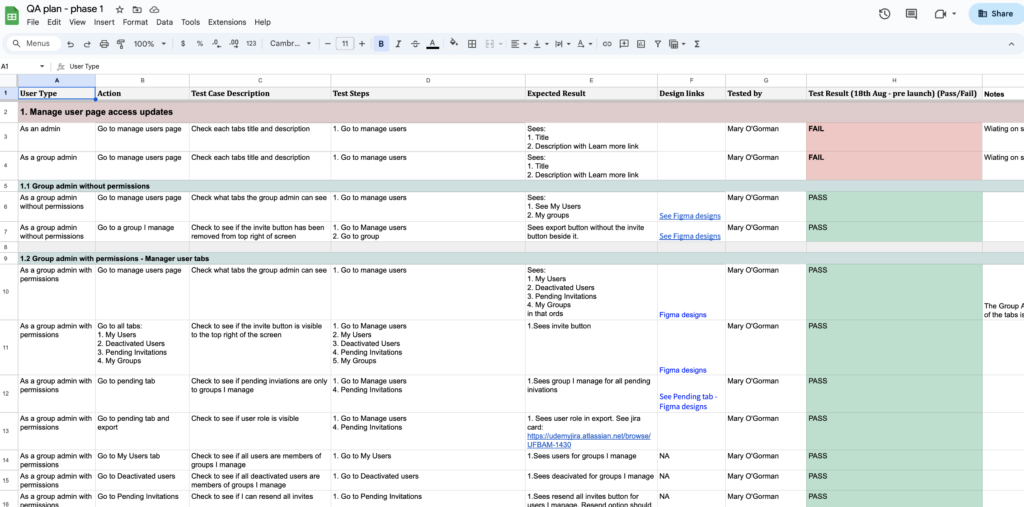
To strengthen delivery quality, I introduced a Quality Assurance (QA) process, ensuring every solution built was reviewed for usability, accessibility, and business fit before release. This not only improved design consistency but also built stakeholder confidence during go-to-market phases.
To improve visibility and continuity, we consolidated documentation and assets in a shared Google Drive, creating a single source of truth for the team. I also gathered regular feedback through team surveys, using insights to refine practices and increase transparency.
3. Driving Inclusion and Collaboration
I encouraged the team to participate actively in product and design strategy discussions, moving from task delivery to co-ownership.
This shift empowered designers and engineers to voice insights earlier, connect with customers directly, and contribute to shaping direction rather than reacting to it.
We conducted research and discovery sessions that brought together designers, engineers, and cross-functional partners. This fostered empathy across disciplines and grounded decision-making in shared understanding.
4. Onboarding the New Product Manager
As we began to stabilize processes, a new product manager was hired, a critical turning point for the team.
I took an active role in their hiring and onboarding, facilitating workshops to introduce them to our collaborative frameworks and ongoing initiatives. We partnered closely to ensure continuity, involving them directly in customer interviews and product reviews to accelerate context-building.
This partnership reestablished a healthy balance between product strategy and design execution, helping the team move forward with renewed focus.
Results and Impact
Improved Efficiency and Focus
By segmenting complex projects into clear workstreams and adopting an agile approach, the team’s velocity and confidence increased significantly.
We resolved long-standing blockers, prioritized “low-hanging fruit” for quick wins, and delivered incremental progress that visibly rebuilt morale.
Customer-Centric Outcomes
Proactive research gave us deeper insight into customer needs and frustrations. These findings guided feature prioritization and informed smarter trade-offs. As a result, we delivered solutions that more directly addressed customer pain points and strengthened product-market fit.
Enhanced Team Dynamics
Through open collaboration and clear communication structures, the team became more aligned and engaged.
The QA process, documentation hub, and regular retrospectives established a culture of continuous improvement and shared ownership.
Team celebrations and learning sessions reinforced a sense of achievement, turning what began as a difficult phase into a proud example of resilience and growth.