Introduction
Before leading design teams, I spent several years teaching UX design to students and early-career professionals. One of the most rewarding experiences was helping new designers build confidence in sketching, a simple but transformative skill that shifts focus from perfection to exploration. What began as a classroom exercise became a lifelong perspective on how people grow: through curiosity, safe experimentation, and shared learning.
Facilitating the Process
I introduced students to the basics of design thinking, identifying stakeholders, understanding user goals, and translating insights into rapid visual ideas.
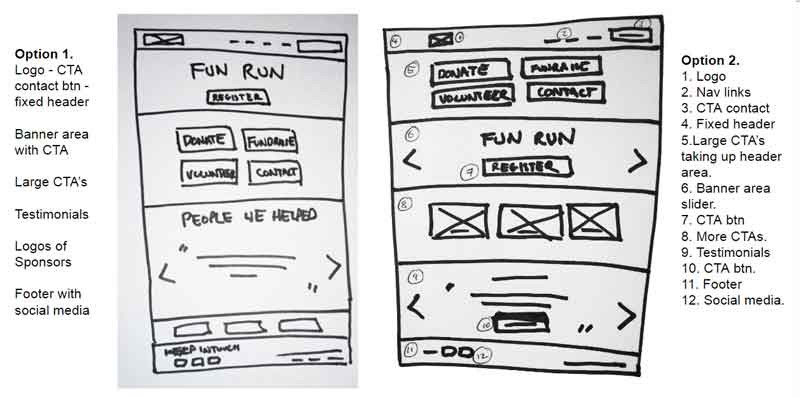
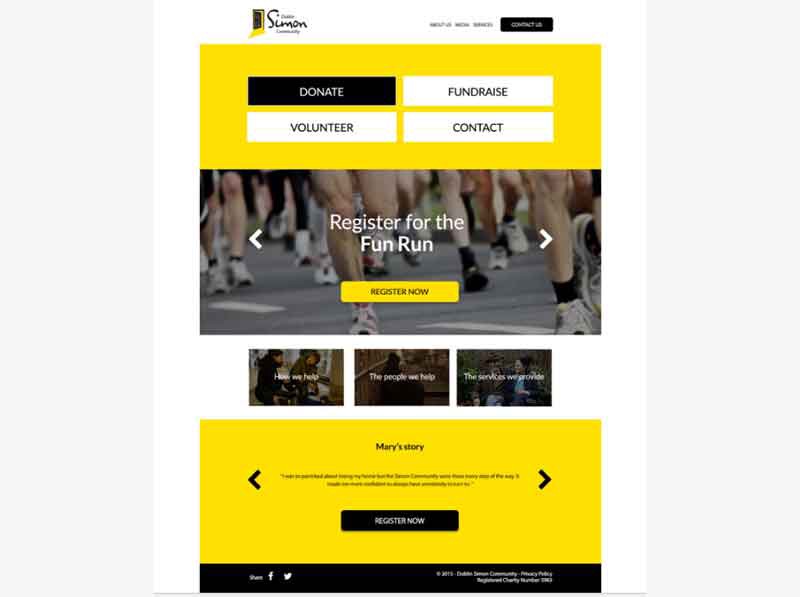
We worked on a real-world case: redesigning a non-profit’s website to improve donations and volunteer engagement.
Through group discussions, we conducted quick competitor reviews and affinity diagramming to prioritise content and features. Students then moved to paper sketching, encouraged to create multiple variations quickly without self-censorship.
The focus was on thinking through needs, IA and flows. I wanted them to experience how sketching accelerates creativity, encourages collaboration, and helps teams discuss ideas before committing to pixels.
Building a Culture of Feedback
After each round, students shared their sketches with peers for open feedback.
This exercise created a culture of critique and iteration, principles I still embed in design reviews today. We talked through layout hierarchy, user goals, and storytelling, reinforcing the idea that feedback isn’t judgment, but fuel for better outcomes.
Outcome
By the end of the course, students who were initially hesitant were confidently sketching, sharing, and iterating. They began to understand that wireframes are not art boards but conversations, visual frameworks for problem-solving.
The transformation was subtle but powerful: they learned to trust the process, not just the tools.
Reflection
Teaching design taught me to lead with empathy and patience.
I learned that good mentorship isn’t about transferring knowledge, it’s about creating space for others to explore, make mistakes, and find their own voice.
This experience continues to shape how I nurture designers today: by fostering environments that value experimentation, dialogue, and shared growth over perfection.